Sham
Likir
Likir Village — Where Himalayan serenity meets timeless Ladakhi charm.
About Likir
Likir Village is a beautiful and peaceful destination in the heart of Ladakh, offering travelers an authentic experience of Himalayan village life. Surrounded by dramatic mountains, barren landscapes, clear blue skies, and peaceful valleys, Likir provides a refreshing escape from the busy tourist destinations. The village is best known for the historic Likir Monastery, one of the region’s most significant Buddhist monasteries, which adds a strong cultural and spiritual character to the area. Walking through Likir, visitors can experience traditional Ladakhi architecture, stone-and-mud houses, narrow village paths, ancient irrigation systems, and the simple rhythm of local life. The surrounding landscape changes beautifully with the seasons, from golden fields in summer to snow-covered mountains in winter. The quiet atmosphere, fresh mountain air, and spectacular views make the village especially appealing to travelers looking for peace, nature, and cultural experiences. A stay in Likir is more than just a visit to a scenic mountain destination. It is an opportunity to connect with the local community, discover Ladakhi traditions, enjoy traditional food, and experience the warmth and hospitality of village life. The area also offers opportunities for photography, hiking, sightseeing, meditation, and exploring nearby monasteries and villages.
History & Heritage
Likir Village has a long and fascinating history closely connected with the development of Tibetan Buddhism and the traditional culture of Ladakh. The village is most famous for Likir Monastery, a historic Buddhist monastery that has played an important role in the religious and cultural life of the region for centuries. The name Likir is traditionally associated with the Tibetan word Lu-Khyil, often interpreted as “the water serpent coils”, reflecting local legends and the monastery’s setting amid the surrounding mountains. Likir Monastery is believed to have been established in the 11th century, although the present monastery complex has been rebuilt and renovated several times over the centuries. Likir became an important centre of Buddhist learning and spiritual practice. The monastery is associated with the Gelug school of Tibetan Buddhism and has traditionally been connected with the Ngari Rinpoche lineage. Its location overlooking the village and surrounding valley made it both a religious landmark and an important part of local life. For generations, the people of Likir have lived through traditional agriculture, animal husbandry, and trade, adapting to the challenging high-altitude environment of Ladakh. The village’s traditional houses, fields, irrigation channels, customs, and Buddhist practices reflect this centuries-old way of life.
Local Speciality
Likir Village is known for its authentic Ladakhi food, traditional culture, handicrafts, and warm village hospitality. Visitors can enjoy local delicacies such as thukpa, momos, skyu, tsampa, and the traditional butter tea, which reflect the simple and hearty cuisine of the Himalayan region. The village is also surrounded by agricultural fields where local communities grow crops such as barley and vegetables, while Ladakh’s famous apricots are enjoyed fresh or dried. Along with its food, Likir is known for traditional woollen products, handmade crafts, and Buddhist art associated with the historic Likir Monastery. What makes Likir especially special is the opportunity to experience these traditions in their natural setting, surrounded by peaceful mountains and the simple, welcoming lifestyle of a traditional Ladakhi village.
Things to Do
Homestays in Likir
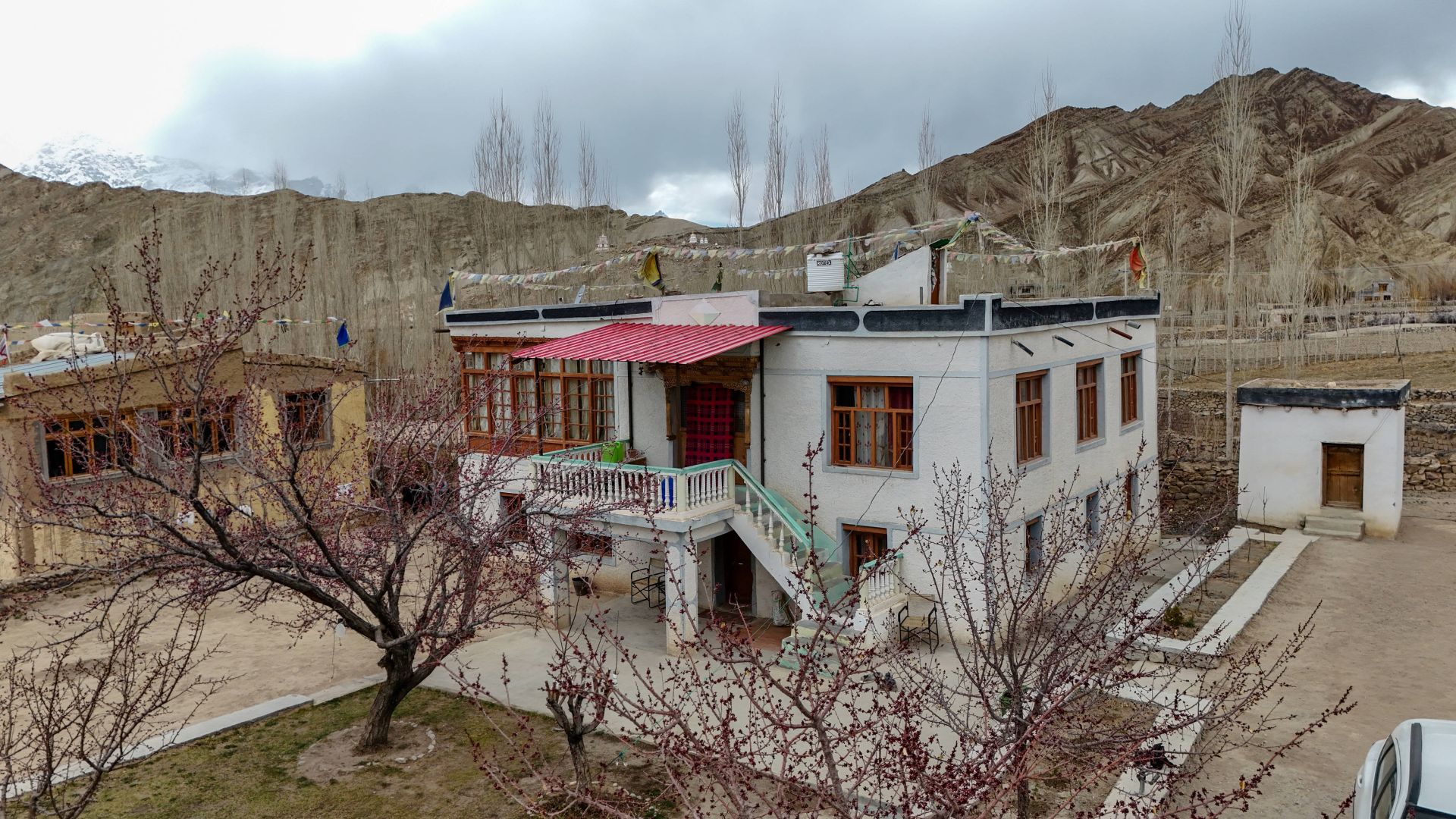
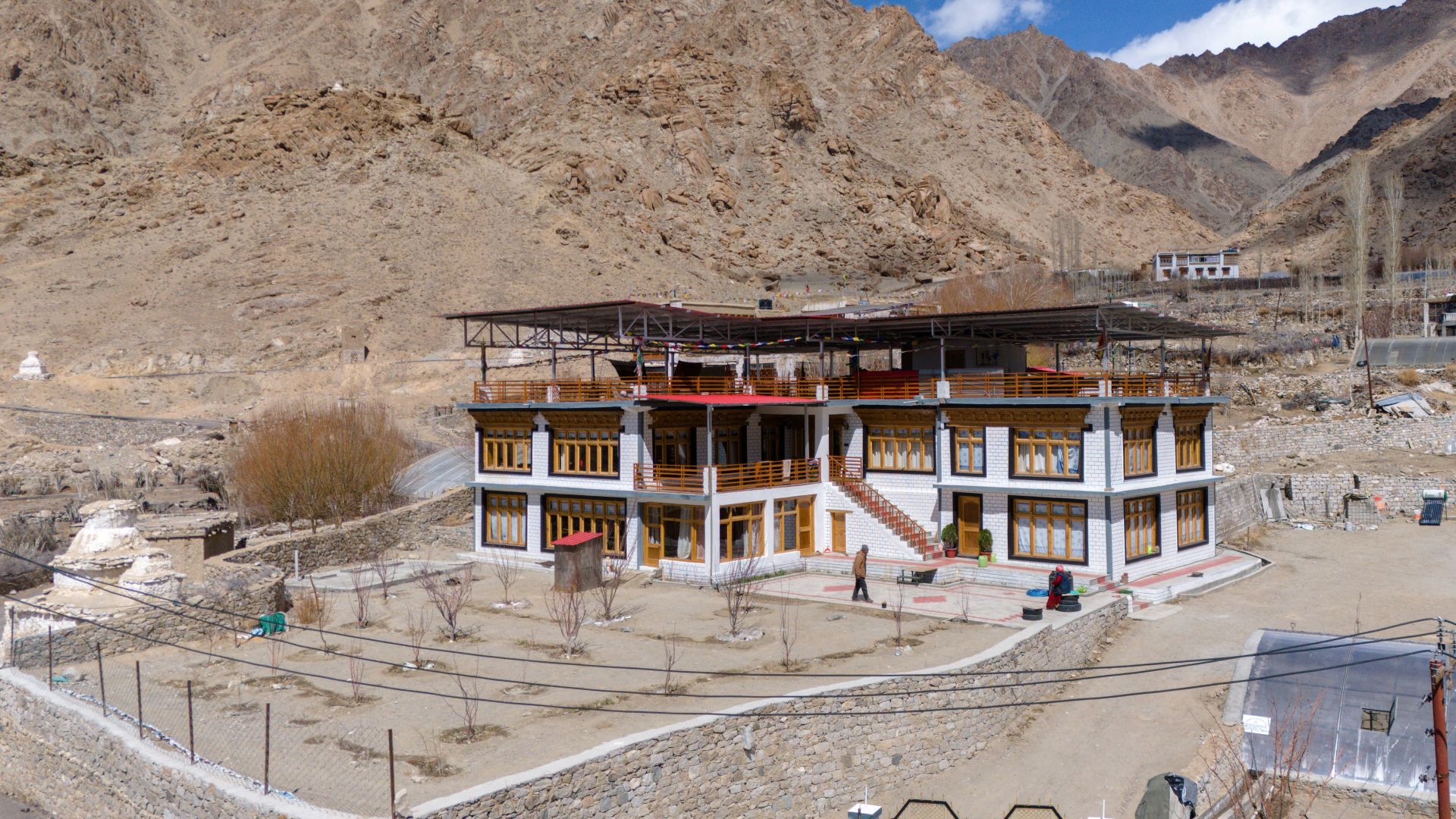
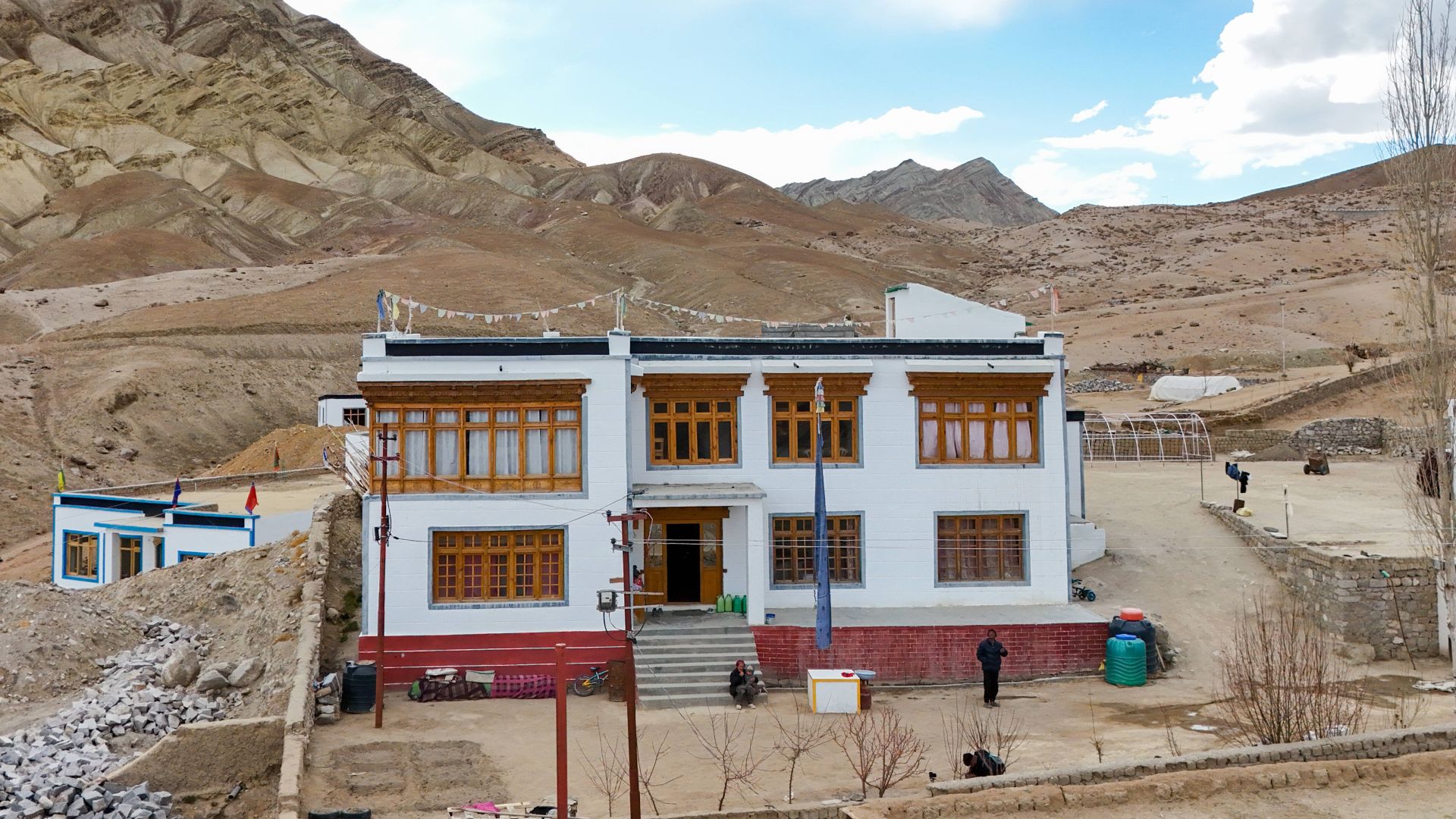
3 homestays available