Sham
Mangue
A Hidden Haven for Snow Leopards and Ladakh’s Wild Mountain Landscapes
About Mangue
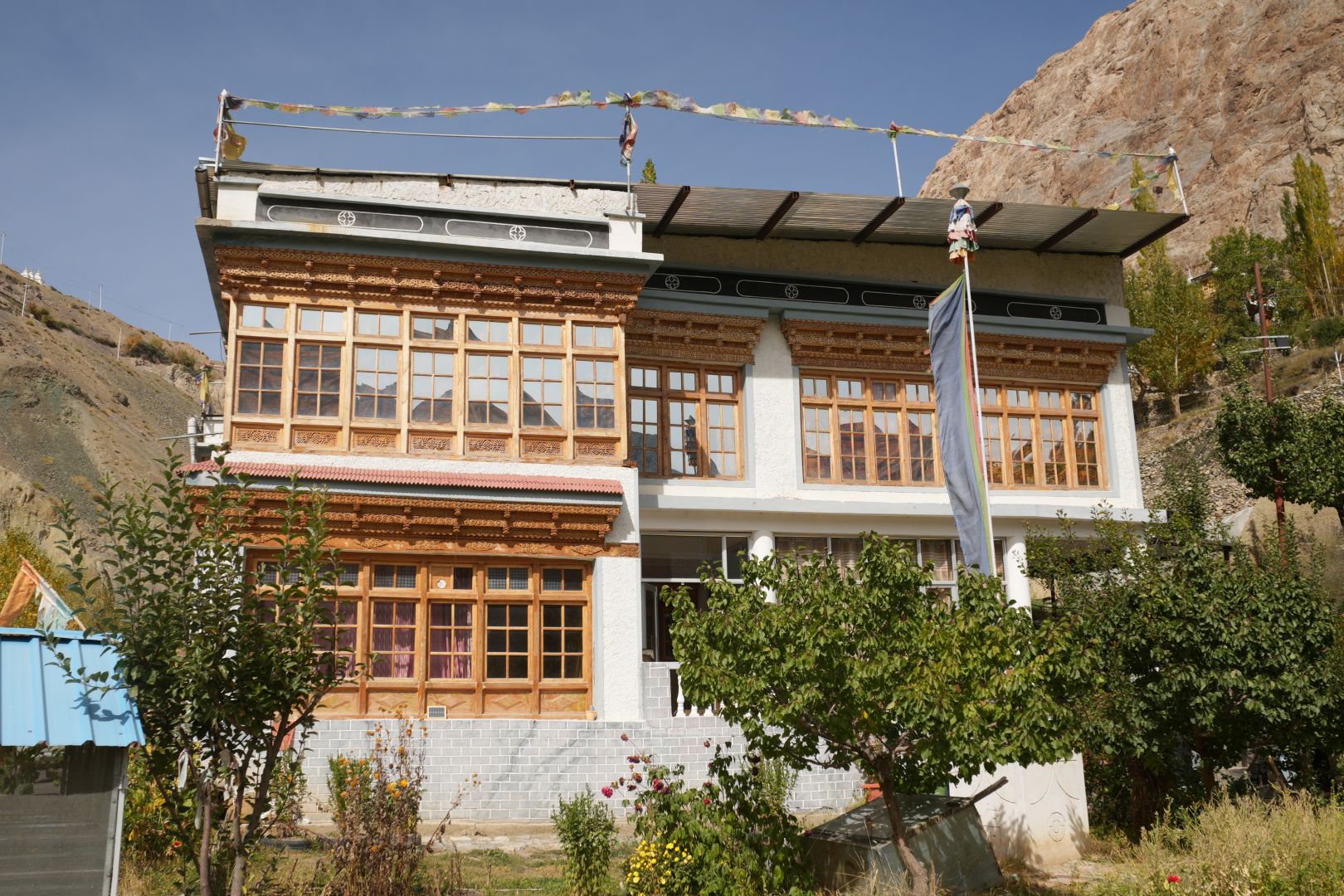
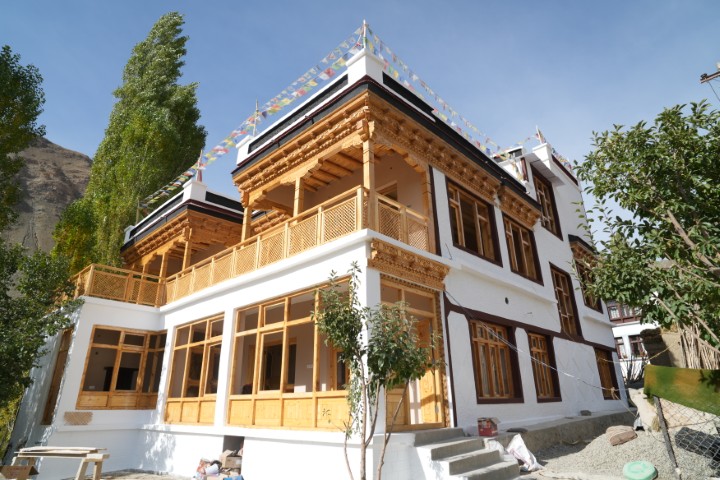
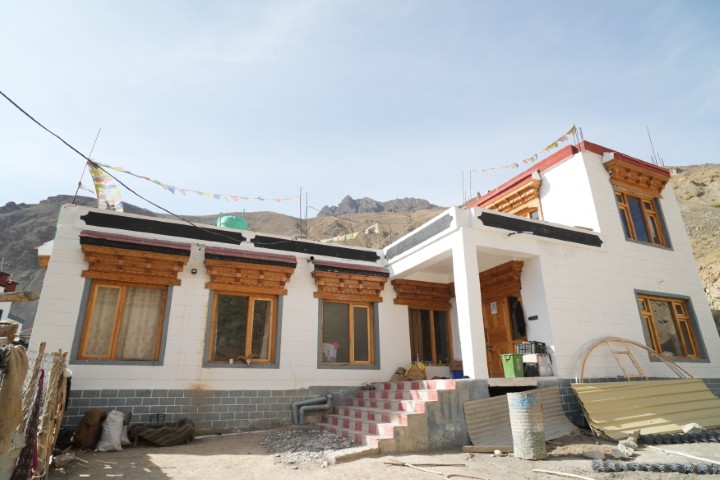
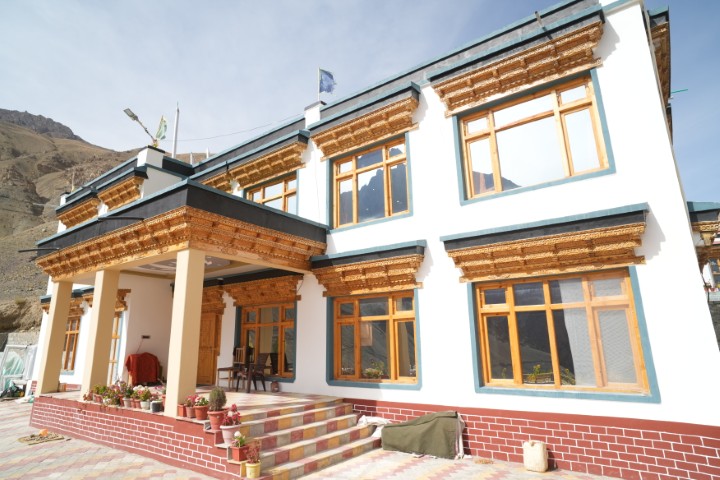
Mangue, Sham, Ladakh has a total of 4 homestays.
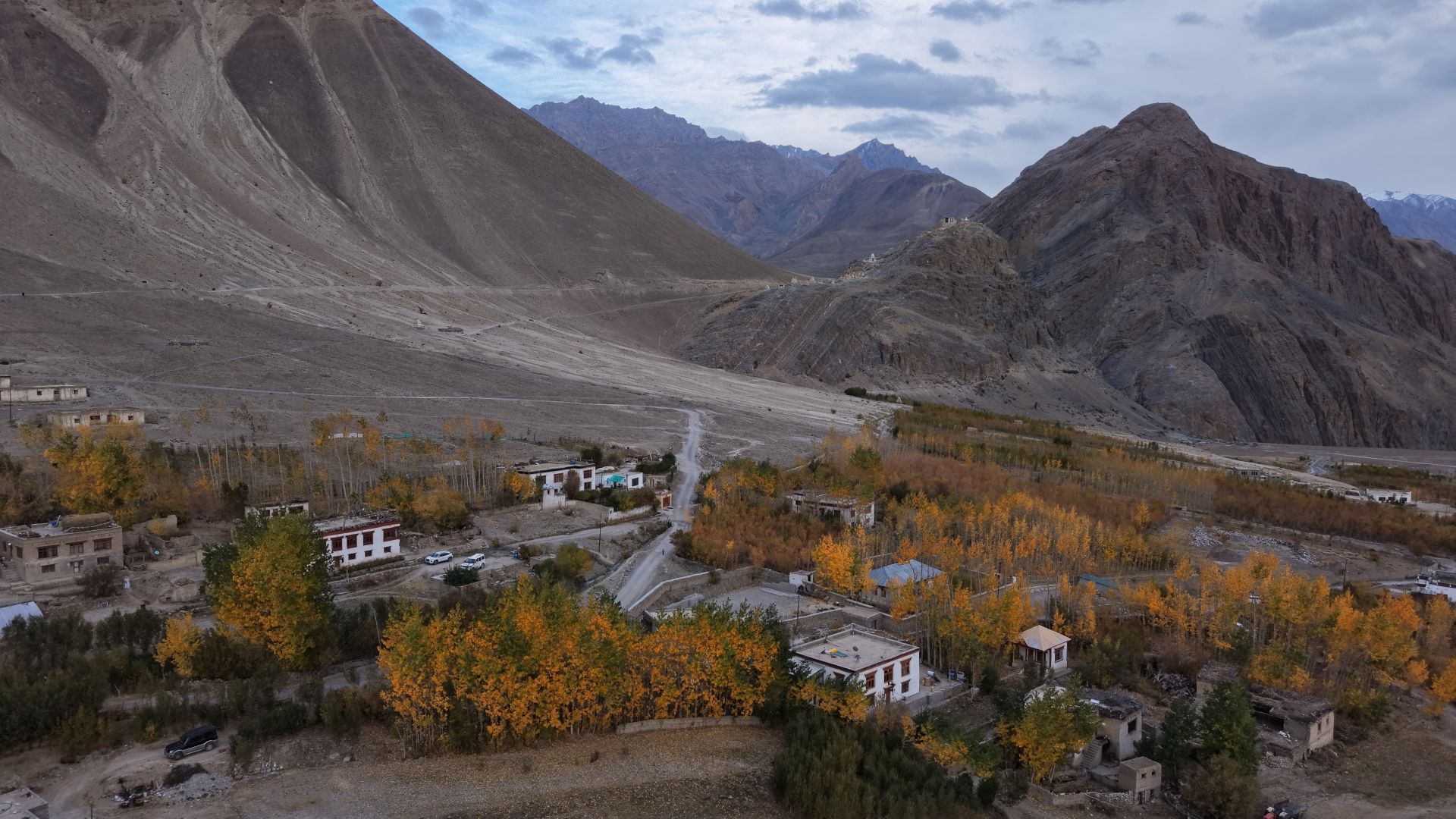
The Sacred Sanctuary of the Sham Valley Tucked away inside a deep, jagged granite gorge in the lower Sham region of Ladakh, Mangyu (also spelled Mangue) is a pristine, time-capsule village that remains entirely untouched by mass commercialization. Located roughly 70 kilometres west of Leh, this tranquil settlement of just over 50 households sits at an altitude of approximately 3,200 metres. Fed by pure glacial streams, the village opens up into surprisingly lush orchards of apricot and apple trees, sharply contrasting with the barren, dramatic peaks that enclose it. Nowadays Famous For: Elite Snow Leopard Sightings In recent years, Mangyu has quietly emerged as one of Ladakh’s premier global hotspots for tracking and sighting the elusive Snow Leopard (Ghost of the Mountains). • The Perfect Prey Corridor: The sheer cliffs and steep, rocky ridgelines enveloping Mangyu host heavy winter populations of Asiatic Ibex and Urial (blue sheep). When heavy winter snow carpets the high peaks between December and March, these prey animals descend into the valleys—and the snow leopards follow them straight to the village limits. • Exclusive Wildlife Tourism: Unlike heavily crowded wildlife valleys, Mangyu offers a pristine, exclusive tracking experience. High-end eco-outposts, including extensions of the luxury Snow Leopard Lodge network, have established passivesolar-heated lodges here. Guests can scan the ridges with high-powered spotter scopes directly from panoramic heated lounges, witnessing spectacular, raw wildlife behavior far away from the tourist crowds.
History & Heritage
The History: A Legacy of Ancient Masters The historical roots of Mangyu are deeply tied to the Second Diffusion of Buddhism in Ladakh during the late 11th and early 12th centuries. • The Legend of Rinchen Zangpo: Local oral history and architectural patterns attribute the founding of the village's sacred core to Lotsawa Rinchen Zangpo, the legendary "Great Translator" who built 108 monasteries across the trans-Himalayas. • The Kashmiri Influence: During this era, Ladakhi rulers invited master craftsmen from Kashmir to design and decorate their places of worship. Mangyu stands as one of the few surviving monuments of this distinct artistic period, serving as an ancient spiritual stronghold along the historic trade routes branching off the Indus River.
Local Speciality
The Local Specialty: Medicine, Monasteries, and Orchards Mangyu’s identity is entirely defined by three extraordinary local specialties: • The Source of Medicine (sMangyu): The true local name of the village literally translates to "Abundance of Medicine." Because of its unique micro-climate, the surrounding valleys are a natural botanical repository for highly potent wild Himalayan herbs. Generational healers, known as Amchis, still hand-harvest these plants to practice Sowa-Rigpa (traditional Tibetan medicine). • 1,000-Year-Old Artistry: Mangyu is home to a hidden architectural masterpiece—the Mangyu Temple Complex. A quiet twin to the famous Alchi Monastery, it houses exceptionally rare, perfectly intact 11th-century Kashmiri-style wooden sculptures, intricate mandalas, and towering stucco statues of Maitreya Buddha. • Sham Valley Harvests: Due to its lower, milder elevation compared to Leh, Mangyu specializes in cultivating incredibly sweet, sun-dried apricots, walnuts, and crisp mountain apples, alongside traditional barley crops.
Things to Do
Quick Info
Homestays in Mangue, Sham, Ladakh
4 homestays available